
- by Admin User
- 5 months ago
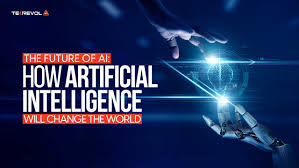
Artificial Intelligence: Redefining the Future of IT and Human Innovation
Artificial Intelligence (AI) is no longer just a buzzword—it’s a transformative force shaping every aspect of the IT ecosystem. From automating workflows to enabling predictive analytics, AI is redefining how businesses innovate, operate, and scale in the digital era.
-
- by Admin User,
- descember 09, 2016
- in business
1. Introduction: The Age of Intelligent Systems
In today’s digital landscape, Artificial Intelligence (AI) stands at the center of technological evolution. Once confined to academic research and science fiction, AI has now become a core component of modern IT infrastructure. Enterprises, startups, and even small businesses are leveraging AI to optimize performance, enhance user experiences, and make data-driven decisions at scale.
AI is not replacing humans—it’s augmenting human capability. It allows IT professionals to move beyond routine tasks and focus on higher-level innovation, strategy, and problem-solving.
2. AI in IT Operations (AIOps)
One of the most impactful applications of AI in the IT industry is AIOps (Artificial Intelligence for IT Operations). Through advanced machine learning algorithms, AIOps platforms analyze massive datasets from various IT systems, identifying patterns, predicting outages, and automating incident responses.
For instance:
-
Predictive maintenance helps avoid server downtime.
-
Anomaly detection spots performance issues before users are affected.
-
Automated root cause analysis reduces mean time to resolution (MTTR).
This shift not only saves time and money but also elevates the overall reliability and performance of IT systems.
3. AI and Cybersecurity
As cyber threats evolve, traditional security systems struggle to keep pace. AI-driven cybersecurity solutions bring a new level of intelligence to threat detection and response.
By continuously learning from network behavior, AI systems can:
-
Detect and neutralize malware before it spreads.
-
Identify unusual login attempts or phishing patterns.
-
Automate security alerts and responses in real time.
AI doesn’t just strengthen defenses—it anticipates potential vulnerabilities before they’re exploited.
4. AI and Cloud Computing
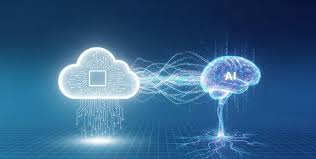
AI and cloud computing are now deeply intertwined. Major cloud providers like AWS, Google Cloud, and Azure integrate AI services directly into their platforms—offering everything from AI-powered analytics to natural language processing APIs.
For IT professionals, this means:
-
Faster deployment of intelligent apps.
-
Scalable infrastructure for training AI models.
-
Streamlined data integration across hybrid environments.
Cloud-based AI is driving agility, efficiency, and innovation across industries—from healthcare to finance to logistics.
5. The Human Element: AI and IT Careers
While AI automates repetitive tasks, it also creates new career opportunities. IT professionals skilled in data science, AI ethics, machine learning engineering, and automation frameworks are in high demand.
Organizations are actively reskilling their teams to work alongside AI, emphasizing collaboration between human insight and machine precision.
6. Ethical and Strategic Considerations
As AI becomes more embedded in IT decision-making, ethical concerns arise—bias in algorithms, data privacy, and transparency in automated systems. Businesses must adopt responsible AI frameworks that prioritize fairness, accountability, and explainability.
Moreover, AI should not be adopted just for trend’s sake—it must align with an organization’s strategic vision and long-term goals.
7. Conclusion: The Intelligent Future
The integration of AI into IT marks a new era—one defined by intelligence, automation, and continuous innovation. As technology continues to evolve, AI will be the driving force behind smarter systems, predictive capabilities, and personalized digital experiences.
The question is no longer “Will AI transform IT?”, but rather “How fast can we adapt?”

you may also like
- by Admin User
- 5 months ago
🌐 Top Trending ICT Practices Shaping the Future of Technology in 2025

- by Admin User
- 1 month ago
How Artificial Intelligence is Revolutionizing Software Development
- by Admin User
- 1 month ago